




Hire Dedicated Developer vs In‑House Team: Which Model Delivers Better ROI?

TABLE OF CONTENT
Understanding the Two Models
Cost Comparison: Dedicated Developers vs In-House Teams
What You Get When You Hire Dedicated Developers from AHT Tech
Conclusion

In an increasingly digital-first economy, businesses are under constant pressure to build software faster, scale efficiently, and control costs – all without compromising quality. One strategic question keeps coming up for business leaders:
Should we hire dedicated developer or build an in-house development team?
Both models have their advantages, but when it comes to return on investment (ROI), the answer is not always straightforward. In this article, we’ll break down the two approaches in detail – costs, flexibility, risks, scalability, and long-term value, so you can determine which model – Hire dedicated developer vs In-house team, best aligns with your business goals.
Understanding the Two Models
What Does It Mean to Hire Dedicated Developer?
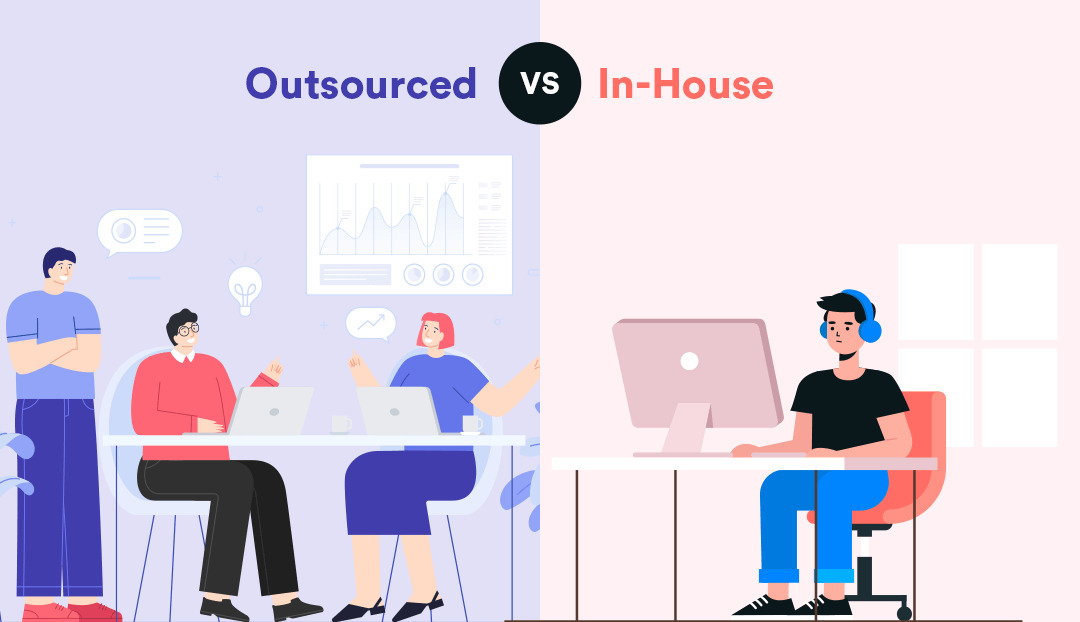
When you hire a dedicated developer, you engage a full-time professional (or team) who works exclusively on your project, but is employed and managed operationally by a technology partner. This model sits between traditional outsourcing and in-house hiring.
Key characteristics:
- Full-time commitment (typically 160 hours/month)
- Long-term engagement
- Direct communication with your team
- Flexible scaling up or down
- Lower overhead compared to in-house teams
Dedicated developers are commonly used for:
- Long-term product development
- Agile projects requiring ongoing iteration
- Scaling engineering capacity quickly
- Accessing specialized skills (e.g., Magento, Salesforce, AI, cloud)
Types of Dedicated Developer Teams
When considering hiring a dedicated team, it’s essential to understand the different types available, as each offers unique advantages based on geographical location and communication dynamics.
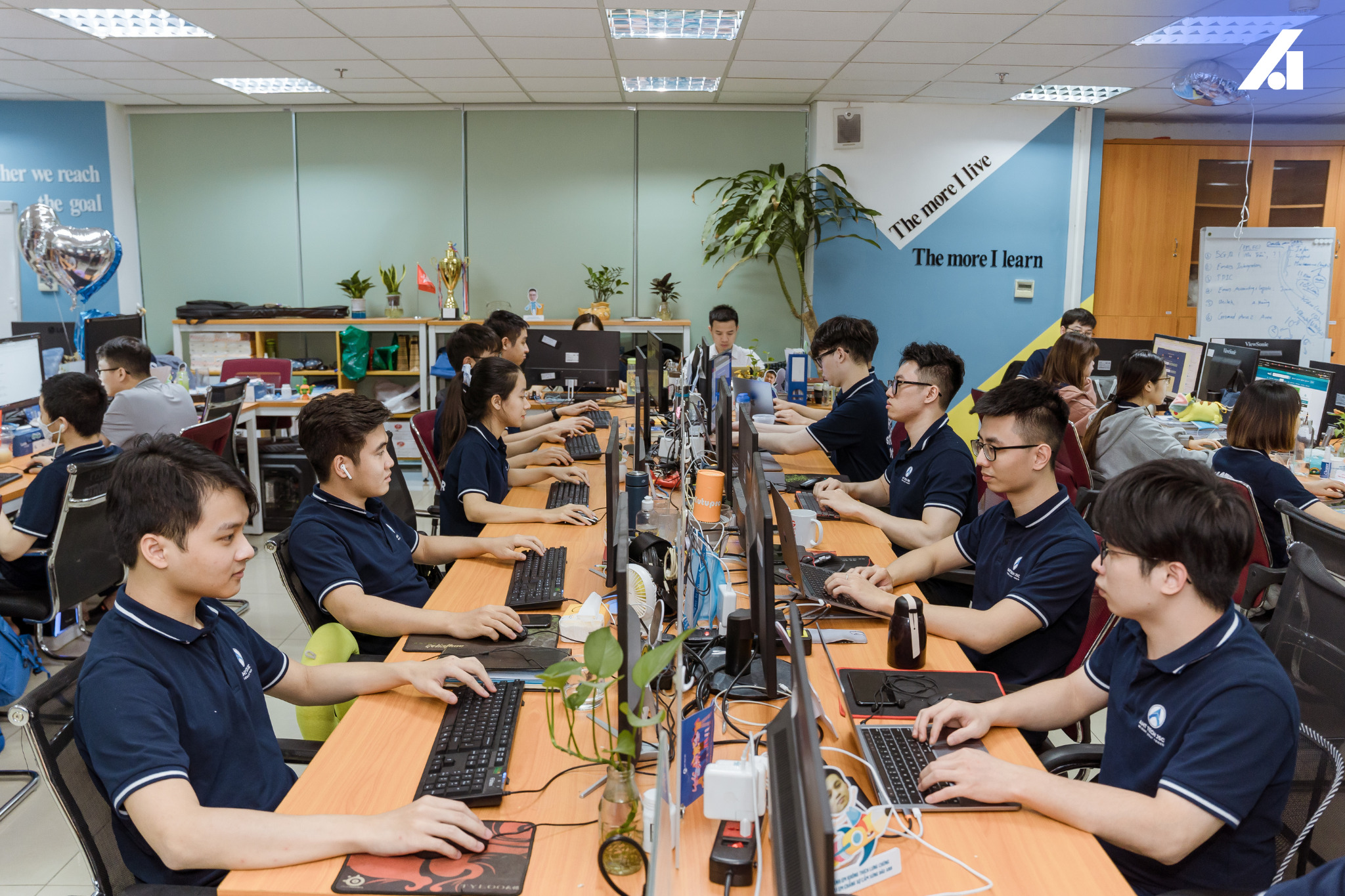
- Offshore Teams: Offshore teams are located in countries with lower labor costs, making them a cost-effective solution for businesses. These teams can provide a wide range of skills and expertise, often at a fraction of the cost of hiring locally. However, time zone differences and potential language barriers can pose challenges in communication and collaboration.
- Onshore Teams: Onshore teams are based in the same country as the client, facilitating better communication and cultural alignment. This model is ideal for businesses that prioritize close collaboration and real-time feedback. While onshore teams may come with higher costs, the benefits of seamless communication often outweigh the financial considerations.
- Nearshore Teams: Nearshore teams are situated in neighboring countries, offering a balance between cost and communication. This model allows for easier collaboration due to similar time zones and cultural similarities, making it a popular choice for businesses looking to maintain a close working relationship without incurring the higher costs associated with onshore teams.
Understanding these types of dedicated teams can help businesses make informed decisions based on their specific project needs and budget constraints.
What Is an In-House Development Team?
An in-house team consists of developers directly employed by your company who work on-site or remotely as internal staff.
Key characteristics:
- Full control over hiring and management
- Deep understanding of company culture and product vision
- Higher long-term commitment
- High upfront and ongoing costs
In-house teams are often preferred for:
- Core intellectual property development
- Highly confidential or regulated projects
- Companies with mature HR and engineering management capabilities
Cost Comparison: Dedicated Developers vs In-House Teams
In-House Team Costs
Hiring in-house developers involves much more than just salaries. Consider the full cost structure:
- Recruitment and hiring fees
- Salaries (often high in local markets)
- Benefits, insurance, and taxes
- Office space, hardware, and software licenses
- Training and onboarding
- Employee retention and turnover costs
In markets like North America, Western Europe, or Australia, the total annual cost of a senior developer can easily exceed USD 120,000–150,000.
Dedicated Developer Costs
When you hire a dedicated developer through an offshore or nearshore partner, costs are more predictable and typically include:
- Developer salary
- Infrastructure and tools
- HR, payroll, and compliance
- Project coordination and reporting
This model eliminates many hidden costs and reduces financial risk. Businesses often save 30–60% compared to building an in-house team, especially when working with technology hubs like Southeast Asia.
ROI insight: Lower fixed costs + faster onboarding = quicker ROI realization.
|
Criteria |
Hire Dedicated Developer |
In-House Team |
| Recruitment Cost | Included in vendor fee | High (job ads, HR, recruiters) |
| Salary Structure | Fixed monthly rate or by scope/ task | Full salary + bonuses |
| Benefits & Insurance | Covered by vendor | Paid by company |
| Infrastructure Cost | Included | Office, hardware, software licenses |
| Hidden Costs | Minimal | Training, retention, turnover |
| Overall Cost Efficiency | 30–60% lower in many markets | High total ownership cost |
| ROI Speed | Faster (low upfront investment) | Slower (high initial setup cost) |
Speed and Time-to-Market
In-House Teams: Slower to Build vs Dedicated Developers: Ready to Start
While recruiting top developers can take months. Add onboarding and ramp-up time, and projects may be delayed before development even begins. This can be a major drawback in competitive markets where speed matters.
Dedicated development partners already have vetted talent pools. This allows businesses to:
- Start projects in weeks, not months
- Quickly replace or add resources if needed
- Maintain momentum during peak development phases
For companies racing to launch or scale, the ability to move fast directly impacts ROI.
| Criteria | Hire Dedicated Developer | In-House Team |
| Hiring Time | 2–4 weeks | 2–6 months |
| Project Kickoff Speed | Immediately after onboarding | Delayed due to recruitment |
| Resource Replacement | Fast (vendor provides backup) | Slow (rehiring required) |
| Impact on Product Launch | Accelerates release cycle | May delay launch timeline |
| ROI Impact | Faster revenue realization | Slower break-even point |
Flexibility and Scalability
In-House Teams: Limited Flexibility vs Dedicated Developers: Built for Scalability
| Criteria | Hire Dedicated Developer | In-House Team |
| Scale Up | Quick and easy | Slow hiring process |
| Scale Down | Flexible contract adjustment | Costly layoffs |
| Workload Adaptability | High | Limited |
| Long-Term Commitment | Flexible | Fixed headcount |
| Business Agility | Strong | Moderate to low |
Talent Access and Skill Availability
In-House Teams: Local Talent Constraints vs Dedicated Developers: Global Talent Pool
Local hiring markets are often competitive and limited. Finding specialists in emerging technologies can be challenging and expensive. On the other hand, dedicated development models open access to global expertise.
| Criteria | Hire Dedicated Developer | In-House Team |
| Talent Pool | Global access | Limited to local market |
| Specialized Skills | Easier to source niche expertise | Harder & more expensive |
| Certifications & Industry Experience | Often pre-vetted | Must train or hire premium talent |
| Technology Coverage | Multi-stack availability | Depends on hiring capability |
| Competitive Advantage | Faster skill acquisition | Slower capability expansion |
Management and Control
In-House Teams: Full Internal Control vs Dedicated Developers: Balanced Control
| Management Factor | Hire Dedicated Developer | In-House Team |
| Task Management | Shared responsibility | Fully internal |
| Communication | Direct | Direct |
| Reporting & KPIs | SLA-based | Internal tracking |
| Administrative Effort | Low | High |
| Control Level | High (with right partner) | Very High |
Risk Management and Continuity
| Risk Factor | Hire Dedicated Developer | In-House Team |
| Staff Turnover Impact | Low (quick replacement) | High |
| Knowledge Continuity | Documented & shared | Risk of loss |
| Operational Stability | High | Medium |
| Financial Risk | Low fixed cost | High commitment |
| Risk Exposure | Lower | Higher |
When Hiring Dedicated Developers Delivers Better ROI
The hire dedicated developer model typically delivers higher ROI when:
- You need to scale quickly without long-term commitments
- Project requirements may change over time
- Cost efficiency is a priority
- You need specialized skills not available in-house
- You want to focus internal teams on strategy, not execution
When an In-House Team Makes More Sense
An in-house team may be the better choice if:
- The product is core to your competitive advantage
- You require maximum data security and control
- You have stable, long-term development needs
- You can sustain higher fixed costs
| ROI Factor | Hire Dedicated Developer | In-House Team |
| Upfront Investment | Low | High |
| Cost Predictability | High | Low |
| Speed to Value | Fast | Slow |
| Scalability ROI | High | Limited |
| Best Use Case | Growth & scaling | Long-term core products |
| Overall ROI | Higher (short–mid term) | Higher (long-term only) |
What You Get When You Hire Dedicated Developers from AHT Tech

AHT Tech positions itself as a premier software solutions provider with a broad technology ecosystem: digital commerce, ERP, custom software, and advanced technologies. When you hire dedicated developers, you can assemble a team that matches your stack and goals.
Typical profiles include:
- Front‑end and full‑stack web developers (React, Vue, Angular, Node.js, PHP, .NET, Java)
- eCommerce specialists for Magento, Shopify, WooCommerce, and headless commerce
- ERP and Odoo experts for implementation, integration, and customisation
- Mobile app developers for iOS, Android, and cross‑platform frameworks
- Cloud and DevOps engineers for AWS, Azure, GCP, and Alibaba Cloud, plus managed services
- AI, IoT, blockchain, and data engineers for advanced solutions
You can start with one or two dedicated developers and scale into a full dedicated team that includes architects, QA engineers, and project managers as your needs grow.
Conclusion
Choosing between an in-house team and the decision to hire dedicated developer resources ultimately comes down to ROI, flexibility, and long-term strategy.
For companies operating in competitive, fast-changing markets, the dedicated developer model often delivers stronger short- to mid-term ROI, especially when speed, cost-efficiency, and scalability are priorities. In 2026 and beyond, smart companies won’t just build teams – they’ll build flexible, ROI-driven development strategies.
As you consider your next project, think about how a dedicated team can provide the expertise and flexibility needed to drive success. At AHT Tech, we are committed to being your trusted partner in digital transformation, helping you navigate the complexities of software development with confidence.
Contact us today to explore how we can tailor our solutions to meet your unique needs!
FAQs
Is it better to hire a dedicated developer or build an in-house team?
It depends on your business goals. If you need faster scaling, lower upfront costs, and flexible resource management, hiring a dedicated developer often delivers better short- to mid-term ROI. In-house teams are better suited for long-term, core product development where full control and internal knowledge retention are critical.
Is hiring dedicated developer more cost-effective than an in-house team?
In most cases, yes. Hiring dedicated developers typically reduces total costs by 30–60% compared to building an in-house team. Businesses save on recruitment, salaries, benefits, infrastructure, and employee turnover, while still accessing experienced, full-time talent.
When should a company choose an in-house development team?
An in-house team is often the right choice when the product is core to the company’s competitive advantage, requires strict data control, or involves long-term, stable development with minimal scaling needs. However, it usually comes with higher fixed costs and longer setup time.
How does the dedicated developer model improve ROI?
The dedicated developer model improves ROI by accelerating time-to-market, offering predictable costs, enabling flexible scaling, and reducing operational risks. Companies can quickly adjust team size and skill sets based on project needs, ensuring resources are used efficiently.
What are the advantages of hiring a dedicated developer?
Key advantages include faster hiring, access to global talent, cost efficiency, flexible team scaling, and reduced administrative burden. Dedicated developers work exclusively on your project while being supported by a technology partner, allowing you to focus on strategy rather than HR and operational management.