




What is Fintech? Definition, Common Types, and Benefits

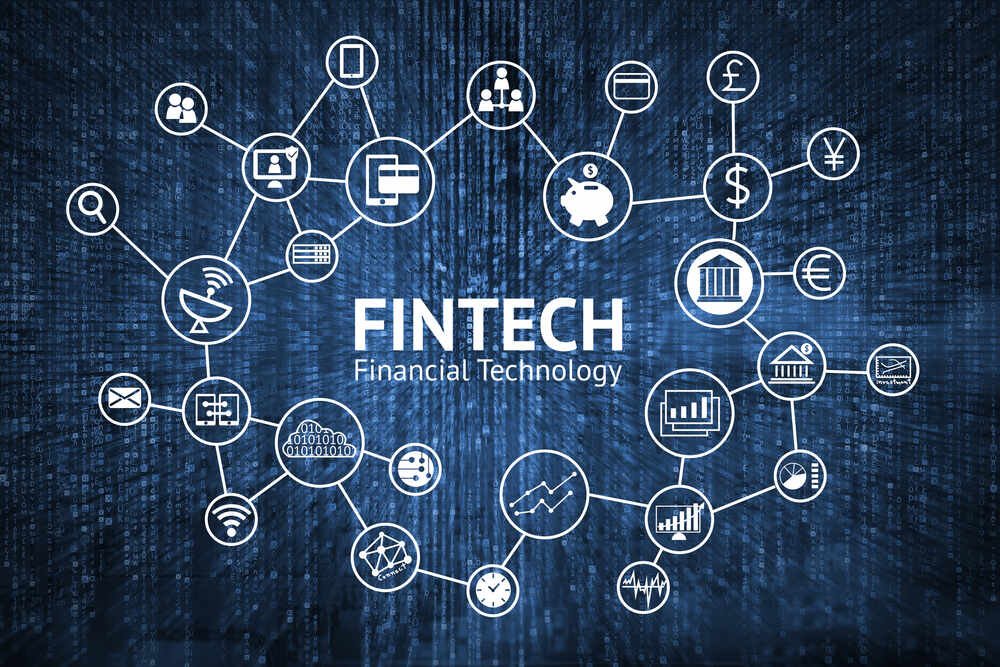
TABLE OF CONTENT
What is Fintech: Get an Overview of Fintech in Singapore
Must Know About What is Fintech: Undeniable Impact of Fintech on A Diverse of Aspects in Singapore
Strong Points from Fintech to Life
Opportunities and Challenges with Fintech: From Our Experts’ Insights
Conclusion
What is Fintech: Get an Overview of Fintech in Singapore
Our experts guide you all about fintech in Singapore, as shown below.
Definition: What is fintech? Why is Singapore potential for this sector?
What is fintech? Fintech meaning is an increasingly popular phrase, but what it is, not everyone has a certain and correct understanding. Fintech is the combination of finance and technology, redefining the way financial services operate in Singapore.
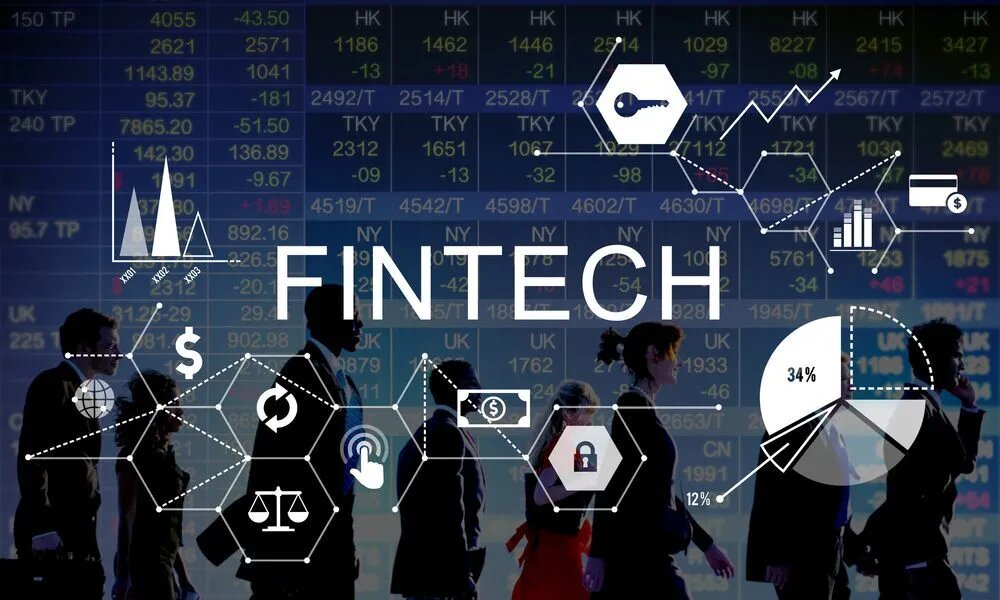
It refers to the advanced application of digital technology in financial services, and transforming the way both individuals and businesses transact, invest, borrow, and manage assets. The fields span a wide range, including payments, lending, wealth management, insurance, and blockchain. Integrating automation, artificial intelligence, and data analytics, fintech turns traditional financial models around, improving speed and accessibility.
Singapore is a potential country to develop what is fintech. Its strategic advantages make fintech companies quickly access global fintech opportunities and own brilliant leaps.
Here are some reasons why Singapore is a key powerhouse for fintech meaning development:
- Access to a thriving Southeast Asian Market: Singapore is strategically located at the gateway to Southeast Asia, home to over 600 million people. The region has a large number of unbanked consumers, creating huge opportunities for fintech companies with lending and digital banking solutions.
- Strong government support for fintech innovation: The Monetary Authority of Singapore (MAS) is actively promoting fintech development through funding initiatives. For example, the Financial Sector Technology and Innovation (FSTI) 3.0 scheme, launched in 2023, provides 50% of funding for financial institutions adopting ESG initiatives, and 30% for AI adoption in financial services.
- Reputation for strong regulations and stability: Singapore is known for its ethically regulated business environment. This is a trustworthy environment for it to quickly become a valuable fintech. MAS also maintains a Fintech Regulatory Sandbox, which allows startups to test new financial technologies with relaxed regulations before rolling them out on a large scale.
- A leading hub for fintech funding and investments: According to KPMG, global fintech funding alone reached $21.4 billion in the first half of 2024, reflecting investor confidence. Singapore is consistently ranked as one of the top fintech destinations in Asia.
- Global talent magnet with tech-specific visas: Singapore attracts top talent globally with its business-friendly policies and tech-focused visa programs. Some examples include the Tech.Pass visa, which allows highly skilled professionals to live and work in Singapore for 2 years, renewable if they meet the criteria.
Some of the fintech examples
Some key examples to give you a quick idea of what is fintech in Singapore are listed below.
# 1 Trust Bank Singapore
Digital banks in Singapore are clear examples of what is fintech, such as Trust Bank Singapore. These institutions leverage AI-driven credit assessments and blockchain-powered transactions to optimize their operations. Customers onboard in minutes, access real-time financial insights, and transact without the hassle of complex administrative procedures.

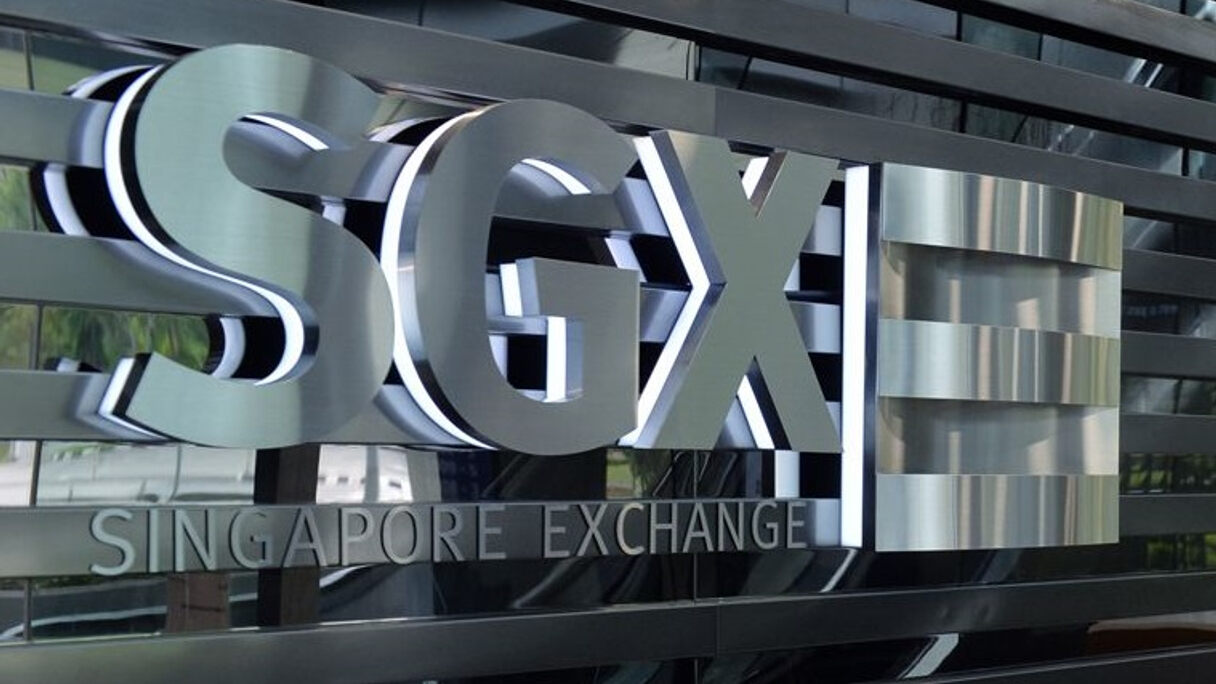
# 2 Singapore Exchange (SGX)
Algorithmic trading dominates Singapore’s fintech market with machine-driven execution. High-frequency trading firms deploy AI models to analyze massive data sets, detect inefficiencies, and execute trades in microseconds. These systems react faster than human perception, reshaping liquidity and price discovery. The Singapore Exchange (SGX) integrates such automation to optimize market efficiency.
#3 Shopee, Grab
Fintech blurs the lines between transactions and daily activities. Companies like Shopee and Grab infuse financial services directly into their platforms. Users shop, ride, and invest within a single ecosystem without the need for a third-party banking app. Singapore’s fintech framework also supports API-based integration, allowing businesses to monetize financial services without traditional banking infrastructure.
Common types of fintech
What is fintech in Singapore? It is transforming financial operations across a variety of sectors, and each one plays a role in optimizing efficiency, controlling risk, and speeding up transactions. Some key types of fintech:
Digital payments
The digital payments ecosystem, as what is fintech in Singapore, integrates mobile wallets, QR code transactions, and peer-to-peer fund transfers. PayNow, for example, facilitates direct bank transfers using mobile phone numbers without the need for account details. GrabPay and ShopeePay integrate with e-commerce platforms for seamless payments.

Notably, the Digital Payments market in Singapore is expected to grow by 22.47% between 2025 and 2029 and reach a market value of US$109.10 billion in 2029.
The Financial Services and Technology Innovation (FSTI) grant by MAS funds innovations in real-time payment processing.
Neobanking
Neobanks operate without the physical branches or infrastructure of traditional banks. Two prominent cases in Singapore as the neobanking examples are Trust Bank and GXS. Besides leveraging AI to assess creditworthiness in seconds, they also use cloud-native architecture to process transactions with enhanced security.

Customers open accounts, apply for loans, and trade assets simply through mobile applications without human intervention.
WealthTech
WealthTech platforms replace human financial advisors with AI-driven portfolio management. Endowus and StashAway, two representatives of what is fintech in Singapore, analyze market trends and reallocate assets based on real-time risk assessments. Robo-advisors eliminate the high management costs associated with traditional wealth managers.
In addition, blockchain-based encryption also allows these fintech sector owners to own a piece of global assets, expanding access to investment. MAS regulates these platforms under strict compliance frameworks.
RegTech
RegTech integrates AI and machine learning to detect financial irregularities and fraud. This type of financial crime stops it from getting out of hand at the first sign, preventing things from getting out of hand.
RegTech includes pattern recognition algorithms that analyze millions of transactions at once and identify suspicious behavior with greater accuracy than auditors. Digital verification replaces manual KYC procedures, enhancing security while reducing costs.
In Singapore’s increasingly strict financial crime landscape, RegTech solutions drive efficiency by automating compliance processes, ensuring financial institutions remain agile in adapting to changing regulations.
InsurTech
Insurance underwriting accelerates as AI-driven algorithms replace traditional risk-based underwriting models. This type of fintech leverages real-time data for accuracy. Underwriting, claims processing, and fraud detection are all integrated together in an automated manner, eliminating operational bottlenecks.
InsurTech insurance architectures emerge, moving from static insurance contracts to dynamic coverage based on evolving risk factors. Instant claims verification reduces disputes and enables faster resolution. Singapore InsurTech companies, such as Singlife, integrate digital-first insurance models and redefine governance for the modern consumer.
Blockchain and crypto
Blockchain decentralizes financial trust, replacing institutional verification with cryptographic consensus. Traditional banking models rely on intermediaries, creating friction, while blockchain affirms certainty in executing direct transactions with transparency and immutability. Security is enhanced as digital ledgers authenticate transactions without centralized oversight.
As a result of what is fintech, decentralized finance (DeFi) redefines lending and asset management, bypassing traditional banking structures. Tokenization segments high-value investments, increasing liquidity and accessibility. Singapore’s regulatory framework balances innovation with financial stability, supporting blockchain adoption in regulated environments.
LendingTech
Loan approvals shift from rigid credit scoring to alternative financial assessments. Conventional lending models restrict access based on static assessments, while LendingTech, as one type of what is fintech, incorporates transaction history, behavioral spending, and non-traditional data points to assess creditworthiness.

With LendingTech, interest rates are adjusted dynamically, reflecting real-time financial behavior instead of outdated credit reports. This allows SMEs to access capital faster, accelerating growth opportunities without being tied to traditional banks. The presence of AI also helps lending platforms reduce default risk, strengthening Singapore’s evolving credit landscape.
Embedded finance
With what is fintech in Singapore, financial transactions no longer exist in isolation but are seamlessly embedded into non-financial platforms. The traditional financial model separates services from everyday interactions, while the embedded option integrates payments, lending, and insurance into the digital ecosystem.
E-commerce platforms in Singapore have been introducing many instant payment financial services as a prime example of fintech penetration. This form of reducing friction in high-value purchases. Ride-hailing apps integrate driver loans, bypassing the usual complex banking procedures.
Singapore’s digital economy is moving towards invisible but deeply integrated financial interactions. That’s the value that fintech brings.
Green fintech
Sustainability in fintech requires a long process of real-time impact assessment, transparent ESG investment structures, and verifiable carbon tracking. Traditional financial platforms often implement ESG based on periodic disclosures, limiting accountability, while green fintech integrates blockchain and AI to confirm sustainability in real-time in reports.
Carbon credit trading platforms track emissions, preventing greenwashing through verifiable data. What is fintech platforms that are driving ESG investment with capital allocated dynamically, prioritizing projects with positive impact. MAS-backed initiatives promote sustainable finance, making Singapore one of the leading countries in green fintech innovation.
How does fintech work: Key features
Fintech reconstructs financial operations with autonomous systems, data intelligence, and regulatory precision. Each feature of what is fintech redefines transaction security, liquidity flow, and financial accessibility.

- Real-time payments: Transaction settlements are conducted over high-speed digital rails, reducing settlement friction. MAS-backed Fast and Secure Transfers (FAST) route payments across banks in seconds. Cross-border remittances integrate blockchain protocols, compressing processing from days to near-instant.
- AI-powered risk management: In fintech, analyzing and predicting transaction anomalies often happens at the microsecond level. Machine learning tools are capable of calculating risk variances, and refining fraud detection beyond rules-based systems.
- API-integrated ecosystems: Financial & banking, payments, and investment tools operate without silos. Seamless data exchange synchronizes financial operations across fintech networks. Infrastructure that can scale services without disrupting system integrity.
- Data-driven personalization: Spending patterns and credit behavior shape appropriate fintech products. Algorithmic forecasting optimizes fintech investment allocation in response to market fluctuations.
- Seamless digital interfaces: What is fintech platforms are user-friendly, simplifying financial management. Dashboards often consolidate transaction tracking, credit monitoring, and investment analytics.
- Autonomous processing: Machine-driven risk models assess creditworthiness with cap accuracy. Wealth management can be performed and adjusted algorithmically, based on portfolios and changes in economic indicators.
- Omnichannel accessibility: Financial services operate seamlessly across mobile, web, and third-party platforms. AI-driven voice and text assistants easily execute transactions with contextual accuracy. Global frameworks maintain service continuity across regulatory contexts.
Must Know About What is Fintech: Undeniable Impact of Fintech on A Diverse of Aspects in Singapore
Fintech has redefined how Singapore’s financial ecosystem develops and operates, shaping investment flows, digital banking, and economic expansion. According to GII Research, the Singapore fintech market is forecast to grow to $64.18 billion by 2029 at a CAGR of 10.24%.

Singapore remains the fintech hub in the ASEAN region, accounting for 59% of total fintech funding in the region (according to Tenity). Singapore’s fintech landscape is traditionally characterized by a diverse set of sectors, including payments, web3, and regulatory technology (RegTech).
By 2024, these sectors will account for 55% of fintech companies in Singapore, reflecting a strong focus on digital transactions, blockchain technologies, and compliance solutions. The growth of this ecosystem is further highlighted by the growth of web3 companies from 5% to 16% between 2022 and 2024. This expansion reflects the dynamic nature of fintech in Singapore.
The growth of fintech is also driven by Singapore’s leaders. Revi Menon, Singapore’s former central banker, has spearheaded the Global Finance and Technology Network, a non-profit organization that promotes fintech innovation globally. This is a strong affirmation of Singapore’s commitment to fostering a strong fintech ecosystem, enhancing economic potential and financial inclusion.
One of the key activities in the development of what is fintech in Singapore is the integration of fintech and digital banking. Traditional financial institutions and fintech startups are collaborating extensively to deliver innovative banking solutions, blurring the lines between conventional banking and decentralized finance.
To illustrate, cryptocurrency exchange OKX recently introduced instant Singapore dollar deposits and withdrawals, as a nod to increased liquidity and usability of digital assets within regulated frameworks. This tie-up reinforces Singapore’s global competitiveness in financial innovation.
The multi-dimensional impact of what is fintech, including technological advancement, strategic leadership, regulatory support, and sectoral diversification, reinforces Singapore’s position as a leading fintech hub. It fosters and fosters an environment conducive to innovation and economic growth.
Strong Points from Fintech to Life
Fintech brings financial intelligence into everyday life in Singapore, transforming how individuals control, grow, and protect their money. Its strong points are a highlight that affirms the increasingly widespread development in this country.
Effortless wealth accumulation
Savings no longer depend on discipline. With what is fintech, every transaction is rounded up and transferred to high-yield accounts or investment portfolios. Combined with the potential for AI development, users can easily track financial behavior, automatically adjusting savings rates based on income fluctuations and spending patterns. Without manual efforts, assets can still be accumulated in real time, turning frequent purchases into long-term financial assets.
Stronger control over spending
Overspending becomes a thing of the past. Fintech features analyze every purchase, identify spending habits, and categorize expenses with detailed information. Real-time alerts notify users when budgets are about to be exceeded, allowing for immediate course corrections. Every transaction becomes a data point, reinforcing financial discipline without requiring spreadsheets or manual tracking.
Security without complicated processes
Biometric authentication, AI-powered fraud detection, and encrypted transactions are the building blocks of invisible security in the fintech world. Every login, transfer, and purchase is assessed for risk in real-time. This stops threats before they happen. People also have full control over their digital assets, eliminating the frustration of forgotten passwords or the hassle of manual security measures.
Faster access to financial opportunities
With fintech, real-time financial data enables instant decisions on investments, credit approvals, and market shifts. AI-driven financial advisors analyze risk levels and make recommendations tailored to each individual’s goals. People have the opportunity to seize investment opportunities at the right time, tapping into the potential that traditional financial systems have missed.
Opportunities and Challenges with Fintech: From Our Experts’ Insights
In Singapore, fintech is growing at a rapid pace and is a trend that will certainly go far in the future. This sector includes both opportunities and challenges, promising to be a promising chess piece but needs to be carefully stepped up to turn into a strong weapon in the future.
Challenges in fintech
- Regulatory complexity that shifts without warning: Each market enforces different compliance rules, and fintech companies struggle to comply with shifting regulations. A product that operates legally today may very well face restrictions tomorrow.

- Algorithmic decisions that lack human trust: Technology optimizes financial decisions, but trust remains a major concern. Credit approvals, investment strategies, and risk assessments rely on machine learning, leaving users without clear information and insight. Many customers are also hesitant when financial outcomes are not subject to human control.
- Scalability pressures that expose weak foundations: High-speed fintech transactions require robust infrastructure. A fintech platform that processes millions of transactions in real-time faces enormous technical pressures. If the system cannot scale under peak loads, service disruptions occur. Delays in payments lead to failed transactions or platform crashes, causing financial losses and reputational damage.
Opportunities in fintech
- Financial inclusion for the unreachable: Millions remain unbanked, but fintech changes that. Digital wallets, alternative credit scoring, and decentralized finance give access to financial tools without requiring physical banking infrastructure. Emerging economies benefit from new financial lifelines, transforming economic participation.
- Frictionless transactions without border: Cross-border payments no longer take days with what is fintech. Real-time currency conversions, blockchain-powered verification, and instant settlements eliminate traditional banking delays. Singapore businesses can easily expand into global markets without liquidity constraints, removing financial barriers to international trade.
- Security innovations that reinforce trust: Cyber threats are evolving, but fintech security moves faster. Quantum encryption, decentralized identity verification, and AI-powered fraud detection ensure transaction security. Users trust fintech not only because of regulation but also because the technology makes security nearly impenetrable
Conclusion
In conclusion, fintech reshapes financial landscapes, driving efficiency and accessibility in Singapore. Digital transformation accelerates transactions, investments, and financial decision-making. The influence of what is fintech extends beyond banking, impacting commerce, wealth management, and everyday spending.
Don’t hesitate to reach out to AHT Tech right now for more fintech insights, any custom advice, and a custom consultation with your fintech product builder journey in Singapore!