




7 Critical Questions to Ask Before Hiring eCommerce Development Services You Should Know

TABLE OF CONTENT
1. How well do you understand our business model, not only the website brief?
2. Which eCommerce platform or technology stack do you recommend, and why?
3. How will communication be managed during the project?
4. What exactly is included and what is not included in the project scope?
5. How do you handle hidden costs, change requests, and budget control?
6. What post-launch support and SLA do you provide?
7. Can you show relevant eCommerce projects and explain the business results?
Warning Signs Before You Choose eCommerce Development Services
Final Checklist Before Hiring eCommerce Development Services
Conclusion
Hiring a partner offering eCommerce development services is not only about building a website. You are choosing a team that will shape how your business sells online, manages customers, processes orders, connects systems, and scales digital revenue over time.
For business owners, digital directors, and brand managers, this decision should be approached carefully. A strong eCommerce development partner can help you build a reliable, scalable, and conversion-focused digital commerce platform. The wrong partner, however, can leave you with unclear communication, delayed delivery, hidden costs, weak technical foundations, and limited support after launch.
Before signing a contract or approving a proposal, take the time to examine the areas that will shape the success of your eCommerce project.
In this article, we will walk you through the seven questions below that help you evaluate whether a development partner is truly capable of delivering a reliable eCommerce foundation for long-term growth.
1. How well do you understand our business model, not only the website brief?
A common mistake in eCommerce projects is treating the website as a standalone digital asset. In reality, eCommerce development should begin with the business model.
A good development partner should not jump straight into design screens, platform suggestions, or feature lists. They should first understand how your business actually operates.
They should ask questions such as:
- Who are your target customers?
- Are you selling B2C, B2B, D2C, marketplace-style, or omnichannel?
- How complex is your product catalog?
- Do you have different pricing rules for different customer groups?
- How are inventory, orders, payments, delivery, and returns managed today?
- What systems does the eCommerce platform need to connect with?
- What does success look like after launch?
This is especially important if your eCommerce website needs to support more than a basic online store.
For example, a fashion brand may need strong visual merchandising, campaign landing pages, size guides, and mobile-first checkout. A B2B distributor may need quotation workflows, bulk ordering, customer-specific pricing, and ERP integration. A retail chain may need POS, inventory, loyalty, and online-to-offline fulfillment.
These are very different requirements. A serious eCommerce development partner should be able to translate your business model into a practical technical approach.
Ask this question:
“Before recommending a solution, how will you assess our business model, customer journey, and operational requirements?”
What to look for in their answer:
- They ask about business goals before technology.
- They understand customer experience and backend operations.
- They can explain how eCommerce fits into your wider sales process.
- They do not force one platform or solution without proper discovery.
If the vendor only talks about design, pages, and features, they may not be thinking deeply enough about your business.
2. Which eCommerce platform or technology stack do you recommend, and why?
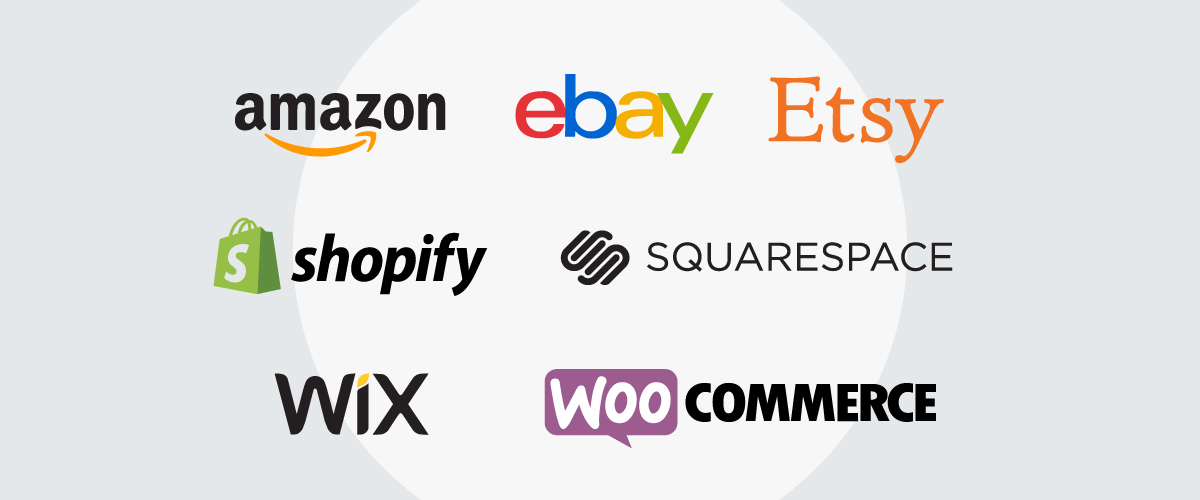
Many eCommerce development services providers specialize in specific platforms such as Shopify, WooCommerce, Magento, Odoo, BigCommerce, custom development, or headless commerce. The problem begins when the vendor recommends a platform simply because it is the one they prefer or the one they could offer you, not because it is the right fit for your business.
An eCommerce development services partner should be able to explain the strengths, limitations, and trade-offs of their recommendation.
They should help you understand:
- Why this platform fits your current business needs.
- Whether it can support future growth.
- How easy it is for your team to manage content and products.
- What customization may be required.
- What third-party apps, plugins, or modules are needed.
- How secure and scalable the solution is.
- What the long-term maintenance costs may look like.
For a simple eCommerce brand, a standard SaaS platform may be enough.
For a business with complex inventory, accounting, procurement, warehouse, or B2B workflows, a more integrated ERP-connected eCommerce solution may be more suitable.
There is no universal “best” eCommerce platform.
There is only the right platform for your operating model, budget, timeline, and growth plan.
Ask this question:
“Which eCommerce platform or technology stack would you recommend for us, and what are the trade-offs?”
Follow-up questions to ask:
- What limitations should we be aware of?
- What will require customization?
- What will depend on third-party apps or plugins?
- What happens if our product catalog, order volume, or market coverage grows?
- How easy will it be for our internal team to manage the site after launch?
A trustworthy partner will not only sell the benefits. They will also be honest about constraints.
3. How will communication be managed during the project?
Communication can make or break an eCommerce development project.
Many project delays are caused by unclear expectations, slow feedback loops, missing documentation, vague ownership, and poor communication between the business team and the development partner.
Before hiring eCommerce development services, you need to know exactly how the vendor will communicate with you.
You should be clear on:
- Who will be your main point of contact.
- Who is responsible for project management.
- How often progress updates will be shared.
- Which tools will be used for communication.
- How feedback will be collected and tracked.
- How decisions and approvals will be documented.
- How urgent issues will be escalated.
- How scope changes will be discussed.
This matters because eCommerce projects usually involve multiple stakeholders.
For example:
- Marketing may review landing pages, SEO settings, and campaign banners.
- Product teams may check product categories, filters, and content.
- Finance may need to validate payment, tax, and invoice flows.
- Operations may review inventory, order fulfillment, delivery, and returns.
- Leadership may need visibility on timeline, budget, and risks.
Without a structured communication process, the project can quickly become messy. A professional eCommerce development services partner should provide a clear project governance model. They should not rely only on casual messages, scattered emails, or verbal updates.
Ask this question:
“How will you manage communication, project updates, feedback, and approvals throughout the eCommerce development process?”
A strong answer should include:
- A project manager or account lead.
- Regular status meetings.
- Written meeting notes.
- A shared project timeline.
- A task or ticket tracking system.
- Clear approval checkpoints.
- A defined escalation process.
- Transparent reporting on risks and delays.
You should pay attention to how the vendor communicates even before the project starts.
4. What exactly is included and what is not included in the project scope?
This is one of the most important questions to ask before hiring an eCommerce development services company.
Many eCommerce projects become more expensive than expected because the original scope is too vague. A proposal may say “eCommerce website development,” but that phrase can mean very different things depending on the vendor.
You need to know whether the project includes:
- UX/UI design
- Homepage design
- Product listing pages
- Product detail pages
- Cart and checkout
- Customer account features
- Payment gateway setup
- Shipping configuration
- Tax configuration
- Product data migration
- CMS setup
- Blog or content pages
- SEO basics
- Analytics setup
- Email notification templates
- Discount and promotion setup
- Third-party app installation
- ERP, CRM, POS, or accounting integration
- User training
- Testing
- Deployment
- Post-launch bug fixing
You should also ask what is excluded. This is where hidden costs often appear.
For example, the vendor may not include:
- Product image optimization
- Copywriting
- Advanced SEO
- Complex integrations
- Custom reports
- Data cleaning
- Hosting fees
- Plugin or app subscription fees
- Payment gateway fees
- Ongoing maintenance
- Security monitoring
- Future feature requests
The clearer the scope, the lower the risk. A right eCommerce development services provider should provide a detailed scope of work, not just a short quotation.
Therefore, you should request:
- A detailed scope document.
- A list of deliverables.
- Assumptions and dependencies.
- Timeline by project phase.
- Payment milestones.
- Change request process.
- Rates for additional work.
- Third-party cost breakdown.
5. How do you handle hidden costs, change requests, and budget control?
Even with a clear scope, eCommerce projects can change. New requirements may appear for example: business teams may request extra pages, integration complexity may be higher than expected, product data may be less organized than planned or stakeholders may change their minds after seeing the first design.

This is normal. What matters is how the eCommerce development services partner manages those changes.
Hidden costs often come from areas that were not discussed early enough, such as:
- Extra design revisions
- Additional page templates
- Custom checkout rules
- New payment methods
- Shipping logic changes
- Product data restructuring
- Third-party system integration issues
- Plugin limitations
- Urgent timeline acceleration
- Extra testing rounds
- Post-launch improvements
A reliable eCommerce development partner should have a transparent change request process.
They should explain:
- How new requests are evaluated.
- How cost impact is calculated.
- How timeline impact is communicated.
- Who needs to approve additional work.
- Whether small changes are included or billed separately.
- How they prevent scope creep.
You should not expect every possible change to be free. However, you should expect transparency. Budget surprises damage trust.
Ask this question:
“How do you manage change requests and prevent unexpected costs during the project?”
A good partner will explain:
- What counts as a change request.
- How they document new requirements.
- How they estimate additional effort.
- How approvals are handled.
- How they report budget usage.
- How they help you prioritize must-have versus nice-to-have features.
You want a partner who can protect your budget while still being flexible enough to support business needs.
6. What post-launch support and SLA do you provide?
The launch date is not the end of an eCommerce project. Once the website goes live, real customers start browsing, searching, adding products to cart, making payments, using promo codes, creating accounts, requesting returns, and contacting your support team.
That is when issues may appear.
For example:
- Checkout errors
- Payment gateway failures
- Broken forms
- Slow loading pages
- Mobile display issues
- Inventory sync problems
- Email notification errors
- Product filter bugs
- Tracking or analytics problems
- Security updates
- Plugin conflicts
- Integration failures
This is why post-launch support is critical. Before hiring eCommerce development services, you should understand exactly what support is available after launch.
More importantly, you should ask about the SLA, or service level agreement. An SLA defines how quickly the vendor responds to different types of issues and what level of support you can expect.
Not every issue has the same urgency. For example:
| Issue Type | Business Impact | Expected Priority |
| Website down | Sales completely blocked | Critical |
| Checkout not working | Direct revenue loss | Critical |
| Payment error | Direct revenue loss | Critical |
| Product image display issue | Customer experience affected | Medium |
| Minor text change | Low business impact | Low |
| New feature request | Improvement, not emergency | Planned work |
A good partner should clearly separate bug fixing, maintenance, emergency support, and new development.
Ask this question:
“What post-launch support do you provide, and what SLA applies to critical eCommerce issues?”
Clarify these points:
- Is there a warranty period after launch?
- How long does the warranty last?
- What is included in free bug fixing?
- What is considered new development?
- What are the response times for urgent issues?
- Is support available outside business hours?
- What support channels are available?
- Do you offer monthly maintenance packages?
- Are security updates included?
- Are platform or plugin updates included?
This question is especially important if your eCommerce website is a major revenue channel.
7. Can you show relevant eCommerce projects and explain the business results?
When evaluating an eCommerce development partner, do not just ask, “Can you show us some websites you built?”. Ask them to explain the thinking behind the work.
A strong case study should show:
- The client’s business challenge.
- The eCommerce platform used.
- Key features delivered.
- Integration requirements.
- Project timeline.
- Challenges during development.
- How the vendor solved those challenges.
- Results after launch.
The most useful eCommerce case studies are not always the most visually impressive ones. They are the ones that prove the vendor can solve problems similar to yours.
Look for experience with requirements such as:
- Large product catalogs
- B2B ordering
- Customer-specific pricing
- Multi-currency selling
- Multi-language websites
- ERP or CRM integration
- Marketplace integration
- Subscription models
- Loyalty programs
- Omnichannel retail
- Inventory synchronization
- Advanced reporting
- Conversion rate optimization
You should also ask how they measure success.
- Did the new website improve conversion rate?
- Did page speed improve?
- Did the checkout process become smoother?
- Did internal teams save time managing products or orders?
- Did integration reduce manual work?
- Did the eCommerce platform support business expansion?
Ask this question:
“Can you show eCommerce projects similar to ours and explain what business outcomes were achieved?”
What to look for:
- Relevant industry or business model experience.
- Ability to explain technical decisions clearly.
- Evidence of problem-solving.
- Client references or testimonials.
- Understanding of business impact, not just design delivery.
A good eCommerce development services partner should be able to connect technology with business results.
Warning Signs Before You Choose eCommerce Development Services
Even if a vendor gives polished answers, you should still watch for warning signs. Be careful if you notice any of these red flags:
- They recommend a platform before understanding your business.
- Their proposal is too vague.
- They cannot clearly explain what is included and excluded.
- They avoid discussing post-launch support.
- They promise an unrealistic launch timeline.
- They do not provide a clear project manager or communication process.
- They cannot explain how they handle change requests.
- They have limited experience with eCommerce integrations.
- They focus only on visuals, not operations.
- They do not mention testing, security, SEO, or performance.
- They are unclear about third-party costs.
- They disappear or respond slowly during the proposal stage.
One of the simplest ways to assess a vendor is to observe how they behave before you sign. Their sales process somehow reflects their delivery process. If communication is already difficult at the beginning, it may become worse once the project is underway.
Final Checklist Before Hiring eCommerce Development Services
Before making your decision, make sure you have clear answers to these seven questions:
- Do they understand our business model and eCommerce operations?
- Can they justify the recommended platform or technology stack?
- Do they have a clear communication and project management process?
- Is the project scope clearly defined?
- Are hidden costs and change requests handled transparently?
- Do clear SLA terms cover post-launch support?
- Can they prove relevant experience with real eCommerce results?
A strong eCommerce development services partner should help you reduce uncertainty.
Conclusion
Hiring eCommerce development services is a strategic business decision. The right partner will not only build your eCommerce website. They will help you create a scalable digital commerce foundation that supports sales, marketing, operations, customer experience, and long-term growth.
The best development partners are not just technical vendors but advisors who can challenge assumptions, explain trade-offs, manage risks, communicate clearly, and support your business after launch.
For businesses looking for a reliable eCommerce development partner, AHT Tech provides end-to-end eCommerce development services across platforms such as Shopify, Magento, BigCommerce, Commercetools, WooCommerce, and custom eCommerce solutions.
Our services cover strategy, UX/UI design, development, system integration, launch, and ongoing support, helping businesses build scalable online stores that are not only visually strong but also operationally ready for growth. Contact us for further discussion!
FAQs
What should I ask before hiring an eCommerce development partner?
Before hiring an eCommerce development partner, ask about their experience with your business model, recommended platform, communication process, project scope, hidden costs, post-launch support, and relevant case studies. These questions help you assess whether the partner can support both website development and long-term business growth.
Why is communication important in an eCommerce development project?
Clear communication helps prevent delays, misunderstandings, and scope confusion. A reliable development partner should provide regular updates, a clear project manager, documented feedback, approval checkpoints, and a defined escalation process for urgent issues.
What hidden costs should businesses watch for in eCommerce development?
Common hidden costs include extra design revisions, product data migration, third-party app fees, payment gateway setup, advanced SEO, custom integrations, hosting, maintenance, security updates, and post-launch feature requests. Businesses should ask for a clear breakdown of what is included and excluded in the proposal
What should be included in post-launch eCommerce support?
Post-launch support should cover bug fixes, technical troubleshooting, security updates, platform or plugin maintenance, performance monitoring, and urgent issue handling. Businesses should also ask about SLA terms, including response times for critical issues such as checkout errors, payment failures, or website downtime.
How do I know if an eCommerce development company is the right fit?
The right eCommerce development company should understand your business model, explain platform trade-offs clearly, show relevant project experience, communicate transparently, and provide structured support after launch.