


Have similar ideas? Drop your contact — we’ll be in touch ASAP
TABLE OF CONTENT
Summary
The Challenges
The Solutions
The Impact
Summary
Tayarlo Sdn Bhd needed to address three connected operational issues: an unstable Odoo environment, manual e-Invoicing processes, and fragmented reporting across its tyre wholesale operations.
Working with A1 Consulting, a brand from AHT Tech’s ecosystem that specializes in ERP solutions streamlining operations, automation, and digital transformation for sustained growth for businesses across Vietnam, Malaysia and Southeast Asia, Tayarlo upgraded its Odoo environment, implemented Malaysia e-Invoicing workflows, connected Odoo data with Power BI, and introduced more structured customer reporting.
The project aimed to create a more stable ERP environment and a clearer data foundation for sales, inventory, finance, and management reporting.
Key Results
Malaysia e-Invoicing integrated with Odoo 18
Invoice workflows were configured around LHDN requirements.
Odoo + Power BI reporting
ERP data was structured and exposed through APIs for consolidated sales, inventory, and financial reporting.
Improved Odoo.sh stability
Existing system issues were diagnosed and optimized to reduce reporting and response delays.
Automated customer statement delivery
Statements could be distributed through email and WhatsApp with less manual handling.
Executive Summary
Tayarlo is a multi-brand automotive tyre wholesaler based in Klang Valley, Malaysia. Its operations include ultra-high-performance tyre distribution, on-demand delivery, and a re-distribution partnership with Michelin.
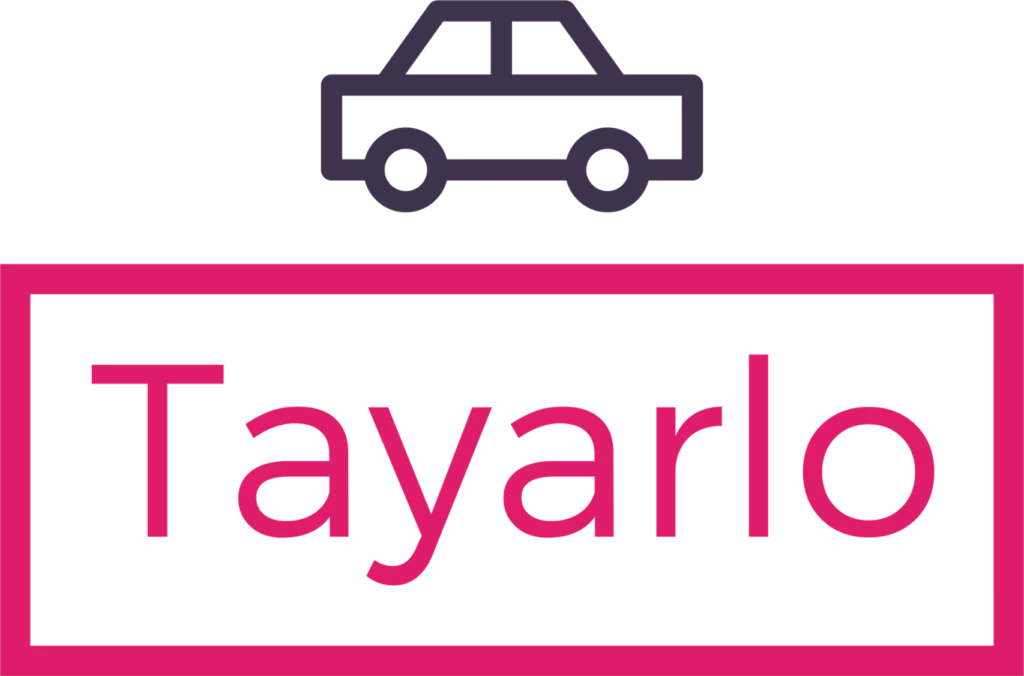
As transaction volumes increased, Tayarlo’s existing environment began creating operational constraints. Reports could take minutes or longer to generate, Odoo.sh experienced stability issues, business information remained fragmented across spreadsheets, and e-Invoicing introduced additional compliance requirements.
A1 Consulting (by AHT Tech) reviewed the existing environment rather than replacing it. The project focused on four areas: Malaysia e-Invoicing, Power BI integration, reporting improvements, and Odoo.sh performance optimization.
The result was a more stable ERP environment with centralized analytical reporting and more automated financial communication processes.
Client & Project Snapshot
|
Client |
Tayarlo Sdn Bhd |
|
Industry |
Automotive Tyre Wholesale & Distribution |
|
Location |
Klang Valley, Malaysia |
|
Business model |
Multi-brand tyre wholesale and distribution |
|
Implementation period |
April - August 2025 |
|
ERP platform |
Odoo |
|
Infrastructure |
Odoo.sh |
|
Key integrations |
Malaysia e-Invoicing, Power BI |
|
Additional scope |
Reporting, customer statements, email and WhatsApp delivery |
|
Implementation partner |
A1 Consulting (by AHT Tech) |
The Business Context
Wholesale distribution depends on accurate information moving quickly between sales, inventory, finance, and management teams. For Tayarlo, increasing transaction volumes exposed weaknesses in its existing ERP environment.
Reports became slow or unreliable under heavier loads. Management data was distributed across different sources and spreadsheets. At the same time, Malaysia’s e-Invoicing requirements introduced a new integration and compliance requirement for financial operations.
The challenge was therefore not to implement another ERP from scratch because Tayarlo already had Odoo. The priority was to make the existing environment more stable, compliant, and useful for operational decision-making.
Industry
Automotive Tyre Wholesale & Distribution
Expertise
Odoo ERP
Location
Malaysia
The Challenges
1. Manual E-Invoicing Processes
Tayarlo needed its invoicing process to operate in line with Malaysia’s e-Invoicing requirements. Manual handling increased the amount of administrative work required around invoice submission and created additional opportunities for errors.
Business impact: Finance teams needed a more structured process connecting ERP transactions with local e-Invoicing requirements.
2. Slow and Unstable Reporting
The existing Odoo.sh environment experienced performance issues, particularly when users queried or generated reports from larger transaction volumes.
Some reports took minutes or longer to complete, while system instability affected routine access to sales information.
Business impact: Teams could not consistently access operational information at the speed required for a wholesale business managing inventory and frequent dealer orders.
3. Fragmented Management Information
Data used for analysis was distributed across ERP records and spreadsheets. Without a centralized reporting layer, users relied more heavily on manual consolidation to review sales, inventory, and financial performance.
Business impact: Reporting required additional effort and made it harder for management to compare information across business functions.
4. Customer Statements Required Manual Handling
Customer communication around financial statements also involved repetitive administrative steps.
Business impact: Preparing and distributing statements manually consumed finance-team time and made consistent communication more difficult as transaction volumes increased.
The Solutions
A1 Consulting began by reviewing Tayarlo’s existing Odoo environment, data sources, reporting requirements, and system issues. The implementation then focused on four connected workstreams:
Odoo e-Invoicing → Power BI integration → Odoo.sh optimization → Customer reporting automation
This approach addressed both immediate operational issues and the underlying reporting architecture.
1. Integrate Malaysia E-Invoicing with Odoo
Tayarlo implemented an Odoo 18 e-Invoicing package configured around Malaysia’s LHDN requirements. The objective was to bring e-Invoice processing closer to the ERP transaction flow rather than to rely on separate manual steps.
This created a more structured path from business transaction to invoice processing and reduced the amount of manual intervention required by finance users.
2. Connect Odoo Data with Power BI
Tayarlo also needed a clearer management view across operational data. A1 Consulting (by AHT Tech) built APIs to extract and structure relevant Odoo information for Power BI.
The reporting layer covered areas including:
- Sales
- Inventory
- Financial metrics
- Business performance filters and views
Before visualization, datasets were cleaned and structured to support more consistent analysis.
3. Optimize Odoo.sh Performance
We also reviewed existing bugs and performance constraints within Tayarlo’s Odoo.sh environment. The team applied debugging, performance tuning, and testing to improve response times and address problems affecting reporting and daily usage.
This was particularly important because adding new integrations to an unstable ERP environment could otherwise increase complexity instead of improving operations.
4. Improve Report Generation and Distribution
A custom report-sending function was developed to give users a more reliable way to generate and distribute required reports. Customer statements were also customized around Tayarlo’s business requirements.
Distribution was then connected with email and WhatsApp, reducing the manual steps required to send statements to customers.
The Impact
More Reliable Access to Business Reports
Before the project, Tayarlo experienced reporting delays and system instability. Following the optimization work, reports could be accessed without the extended delays previously affecting users. This gave teams quicker access to information used to review sales, inventory, and operational activity.
Because the source does not provide a standardized benchmark for report-loading time, the improvement is best described as reduced reporting delay rather than a specific percentage performance gain.
A More Structured E-Invoicing Process
Malaysia e-Invoicing was integrated into the Odoo environment rather than handled as an isolated manual process. This reduced repetitive handling and gave the finance team a clearer workflow around invoice processing and submission.
The implementation was configured around applicable LHDN requirements.
Centralized Analytical Reporting
Power BI provided a shared reporting layer for data originating in Odoo. Instead of relying primarily on separate spreadsheets to analyze information, users gained consolidated views across sales, inventory, and finance.
This improved the availability of operational data for management review without requiring Odoo itself to serve every analytical use case.
Less Manual Customer Communication
Customized customer statements and automated distribution through email and WhatsApp reduced repetitive work involved in preparing and sending financial information.
The improvement was operational rather than transformational: routine communication could be handled more consistently with fewer manual steps.
From ERP Stabilization to Better Operational Visibility
Tayarlo’s case illustrates a common ERP challenge - A business does not always need a new platform when its current system begins creating problems. In some cases, the more appropriate response is to identify which parts of the existing environment are limiting performance and improve them systematically.
For Tayarlo, the issues were concentrated around system stability, compliance workflows, reporting, and data access. Addressing those areas allowed the company to retain Odoo while extending it with Power BI and Malaysia-specific e-Invoicing capabilities.
The result was a more practical operating architecture:
- Odoo manages transactions.
- Power BI supports analysis.
- APIs connect the two environments.
- E-Invoicing supports local financial requirements.
This division of responsibilities creates a clearer foundation for future reporting and operational requirements.
Tayarlo’s Director highlighted the implementation team’s understanding of the company’s requirements and its focus on practical solutions:
“They took the time to understand our business requirements and provided practical solutions tailored to our needs.” - Gary, Director, Tayarlo Sdn Bhd
What the Tayarlo Case Shows About ERP Optimization
Tayarlo’s project highlights three practical lessons for wholesale and distribution businesses.
An ERP does not need to handle every analytical requirement itself.
Connecting operational ERP data with a dedicated BI layer can provide more appropriate management reporting without overloading transactional workflows.
Localization should be treated as part of the operating architecture.
E-Invoicing is not simply an add-on when invoice processing is part of everyday finance operations. It needs to connect cleanly with the underlying ERP workflow.
Stabilize the core before adding more technology.
Integrations create limited value when the underlying ERP environment remains unreliable. Performance, data quality, and system stability should be addressed alongside new functionality.
For Tayarlo, the project was therefore less about adding more software and more about making its existing technology stack work together more effectively.
Building a More Connected Wholesale Operation?
Wholesale and distribution businesses often reach a point where ERP transactions, reporting, local compliance, and customer communication need to operate as one connected environment.
AHT Tech supports enterprise ERP consulting and deployment, system integration, data, analytics, and digital transformation initiatives. Through A1 Consulting, its specialized Odoo ERP subsidiary, organizations can also access Odoo consulting, localization, integration, and post-go-live optimization capabilities.